10 English Manor & Estate Wedding Venues That Deliver More Than Just a Pretty Backdrop
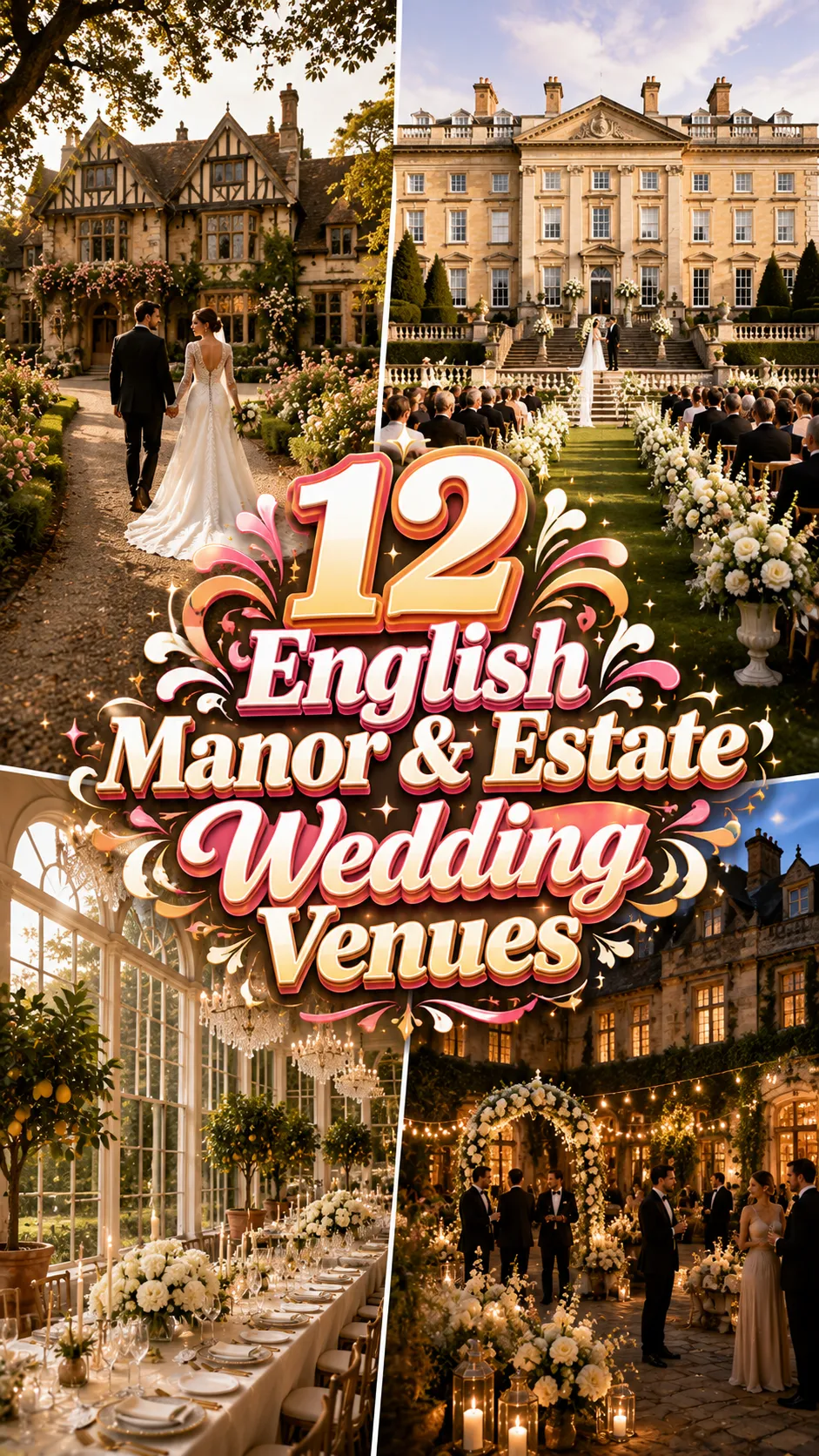
The first time I styled a wedding at an English manor, I made a mistake that taught me something no Pinterest board ever mentions. We planned every floral installation around the grand entrance, only to discover that guests naturally gathered in the sunlit courtyard instead. The ceremony photos were gorgeous, but the reception atmosphere came alive somewhere we hadn’t expected.
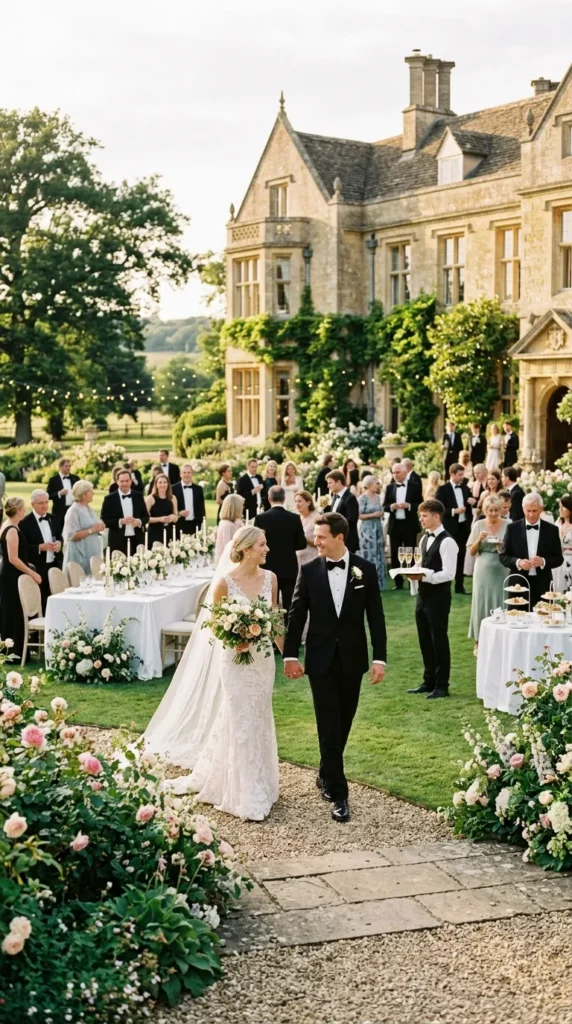
Since then, I’ve learned that the best English manor and estate weddings aren’t defined by historic buildings alone. They’re shaped by how couples use those spaces—from ancient gardens and ivy-covered walls to oak libraries and sweeping lawns. Choosing the right estate isn’t about finding the biggest house; it’s about finding one whose character matches the kind of celebration you actually want.
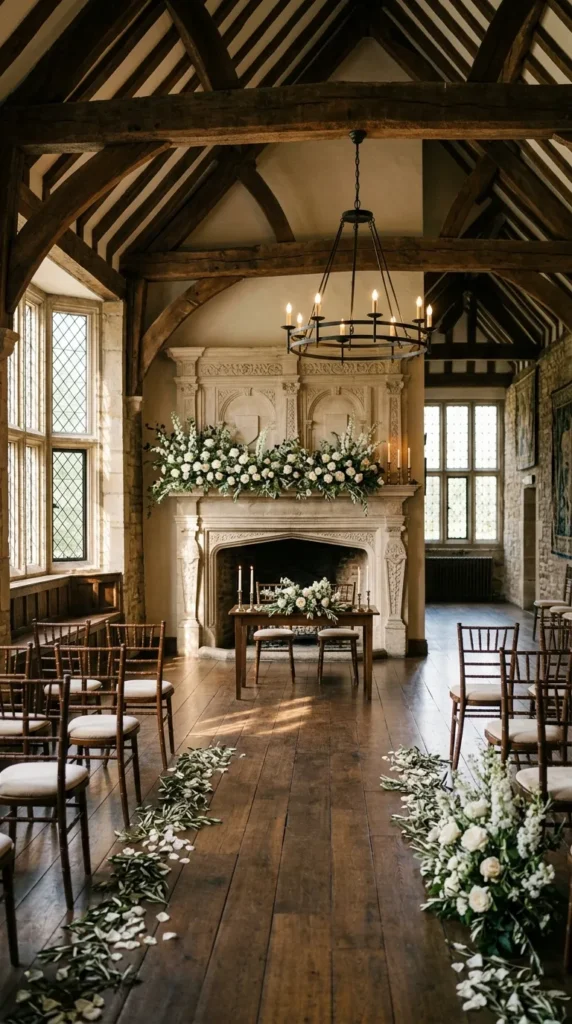
1. A Tudor Manor for Rich Architectural Character
If you love exposed timber beams, stone fireplaces, leaded windows, and centuries-old craftsmanship, Tudor manor houses are difficult to beat. They already provide texture, so you don’t need to overwhelm them with excessive décor.
One thing I usually recommend is keeping floral palettes softer than the building itself. Cream garden roses, white delphiniums, olive branches, and muted greenery let the architecture remain the star rather than competing against dark wood interiors.
Skip oversized acrylic signage here. Traditional framed welcome boards or painted canvas signs simply feel more at home.
2. Georgian Estates for Symmetry Lovers
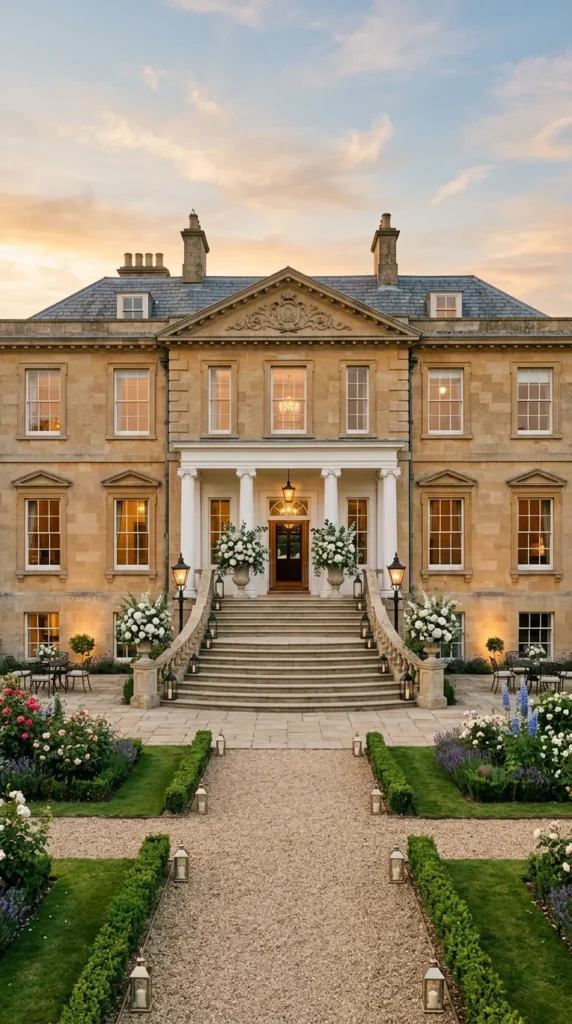
Some venues almost style themselves, and Georgian estates fall into that category.
Their balanced facades, grand staircases, and evenly spaced windows photograph beautifully because everything naturally feels organized. This is especially noticeable during wide ceremony shots and bridal portraits.
If you’re planning:
- A black-tie dress code
- Long banquet tables
- Formal garden ceremonies
- White floral palettes
…a Georgian estate provides a polished setting without needing elaborate installations.
One detail people often overlook is the staircase. I always schedule at least fifteen extra minutes for portraits there because those images usually become favorites.
Garden Ceremony vs. Courtyard Ceremony
Choosing between these two spaces changes the entire atmosphere of your wedding.
Garden Ceremony
Works best when:
- Spring or early summer flowers are blooming
- You want softer backgrounds
- Guest counts stay under 120
- You prefer natural birdsong over formal architecture
The downside? Wind. Lightweight aisle décor rarely stays exactly where you left it.
Courtyard Ceremony
Ideal when you want architectural drama.
Stone walls naturally reflect vows and live music better than open lawns, making ceremonies feel more intimate even with larger guest counts. Courtyards also tend to provide more consistent lighting for photography throughout the afternoon.
Personally, if the forecast looks unpredictable, I’ll choose the courtyard almost every time.
3. Country Estates with Endless Outdoor Space
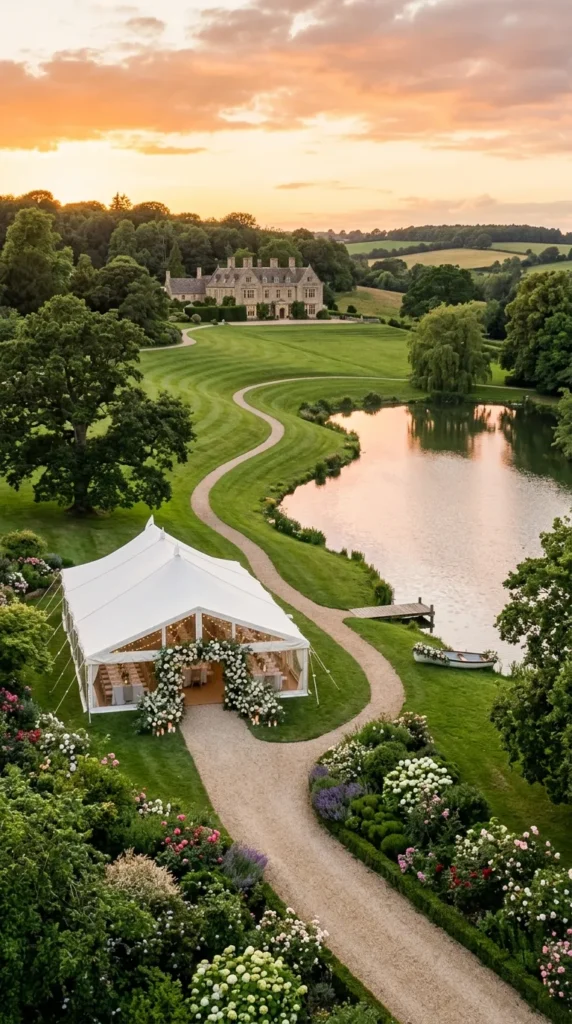
Large English estates often include lakes, meadows, forests, orchards, and formal gardens—all within the same property.
That flexibility allows couples to create a wedding journey rather than keeping guests in one location all day.
For example:
- Ceremony beneath mature oak trees
- Cocktail hour beside the lake
- Dinner in a marquee
- Fire pits on the lawn
- Fireworks after sunset
Instead of renting multiple venues, one estate can comfortably host every chapter of the celebration.
A Budget Reality Check
Historic estates often look expensive online, but pricing varies more than people expect.
Many English manor venues charge between $6,000 and $18,000 for exclusive venue hire, while luxury country estates with overnight accommodations can easily exceed $30,000 depending on the season.
Here’s something couples rarely factor into their budget:
Historic properties sometimes restrict candles, hanging installations, confetti, or open flames because of preservation rules. That can change your décor budget significantly since you’ll need alternative styling methods.
Always ask for the venue’s restrictions before booking your florist.
4. Manor Houses with Historic Libraries
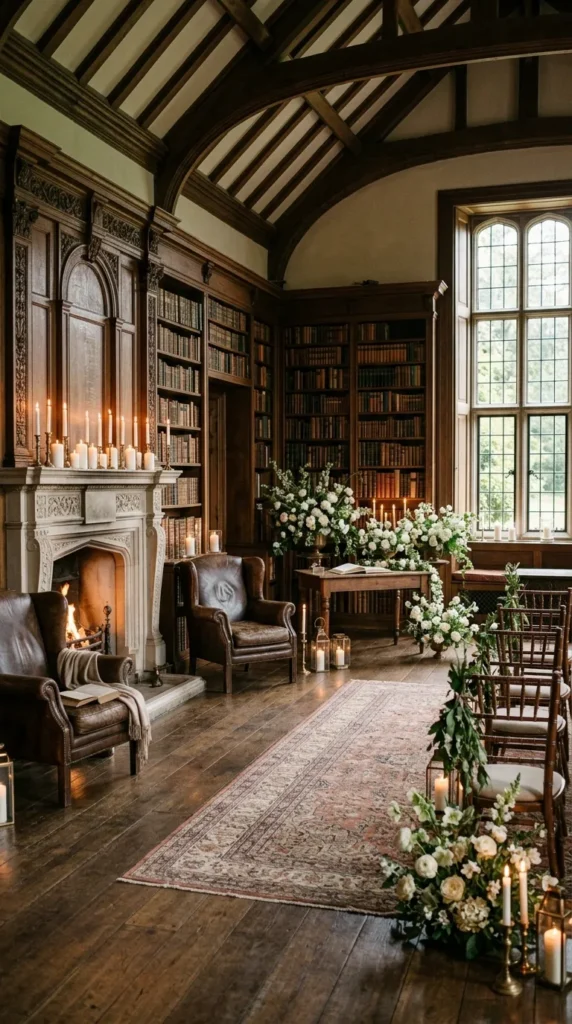
Few ceremony backdrops feel as intimate as a library filled with original bookshelves.
These rooms work especially well for winter weddings because they already feel warm without requiring massive floral installations.
I usually avoid oversized centerpieces in library receptions. Tall arrangements can block the shelves, which are part of the venue’s charm. Low arrangements featuring hellebores, ranunculus, scented roses, and seasonal foliage keep the room feeling open.
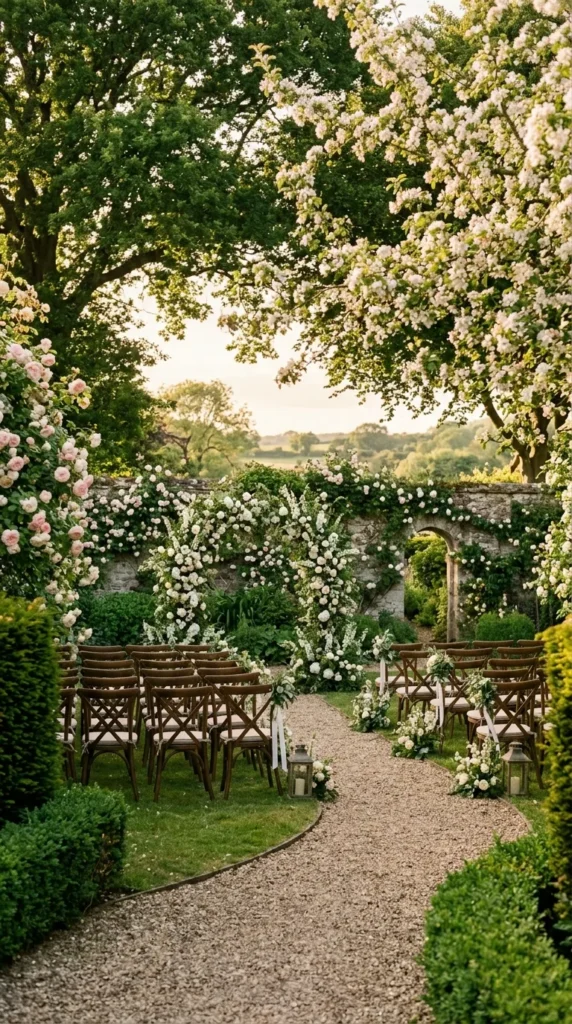
5. Estates with Walled Gardens
Walled gardens create an entirely different guest experience.
Unlike open landscapes, they’re naturally enclosed, making ceremonies feel surprisingly private even on large properties.
One thing people underestimate is sound. Garden walls soften wind noise while containing live music, making acoustic performances noticeably richer.
If you’re planning a spring wedding, flowering crabapple trees and climbing roses often provide decoration you don’t have to pay for.
Expert Insight
“The most memorable manor weddings aren’t necessarily the ones with the largest floral budget. They’re the weddings that let guests discover the property gradually instead of showing everything at once.”
Whenever possible, I like ceremonies and receptions in different parts of the estate. Walking through gardens, courtyards, or historic hallways gives guests moments to absorb the venue instead of experiencing it all in five minutes.
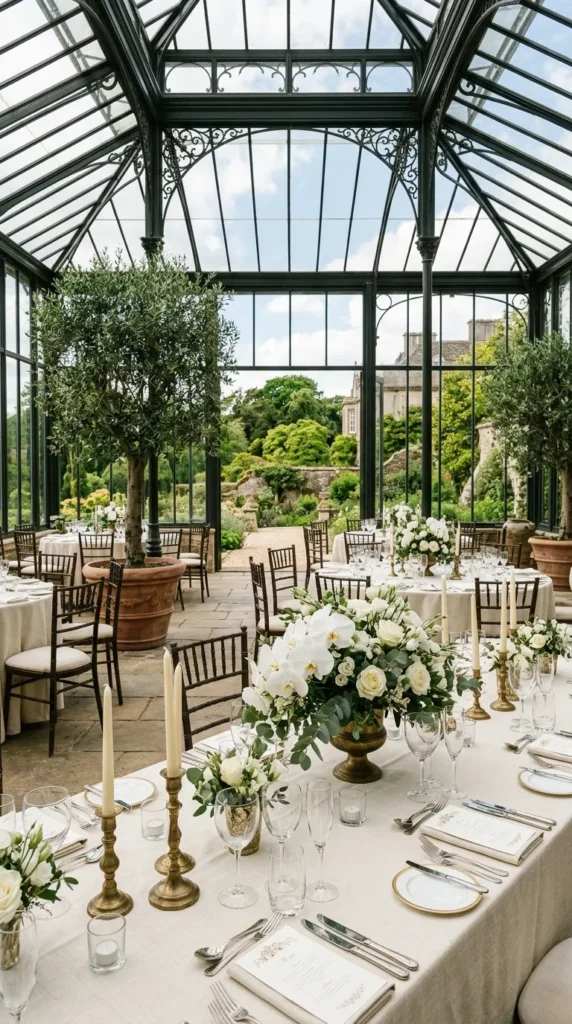
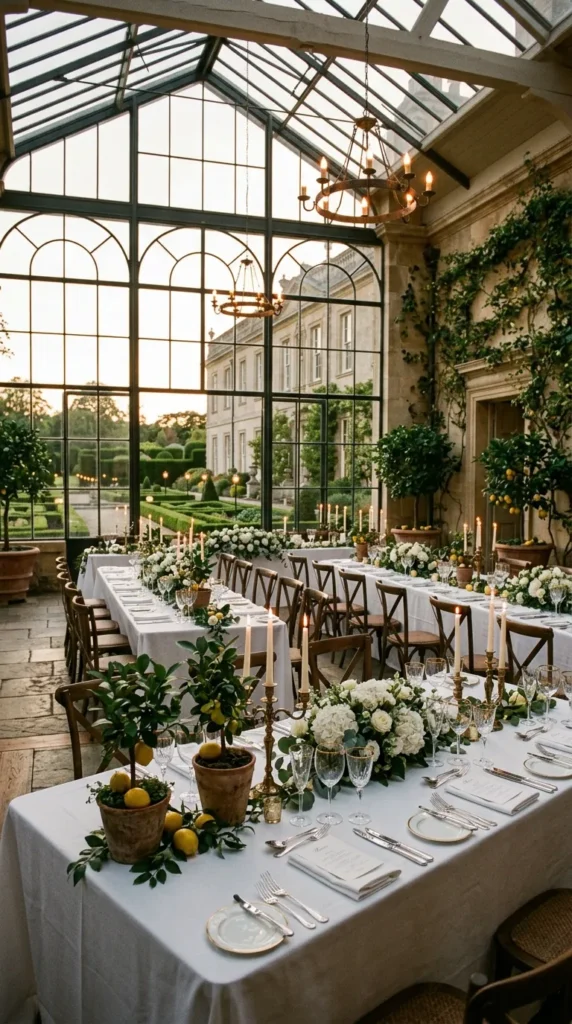
6. Manor Venues with Glass Conservatories
Glass conservatories solve one of the biggest challenges in English weather.
You still enjoy abundant natural light while staying protected if rain suddenly appears—which, let’s be honest, happens often.
Late afternoon receptions are especially flattering inside conservatories because sunlight filters through the glass instead of creating harsh outdoor shadows.
White orchids, potted olive trees, and citrus accents complement these spaces beautifully without feeling overly formal.
How I Build an Estate Wedding Timeline
One mistake I regularly see is couples scheduling everything too tightly simply because everything happens on one property.
Instead, I usually recommend:
Step 1
Allow guests time to explore after arriving. Historic venues deserve a few extra minutes.
Step 2
Schedule portraits before dinner while the gardens still have soft natural light.
Step 3
Move guests indoors before sunset if temperatures tend to drop quickly.
Step 4
Finish the evening outdoors again for sparklers, fireworks, or late-night drinks.
That simple flow keeps guests engaged while making full use of the estate’s different spaces.
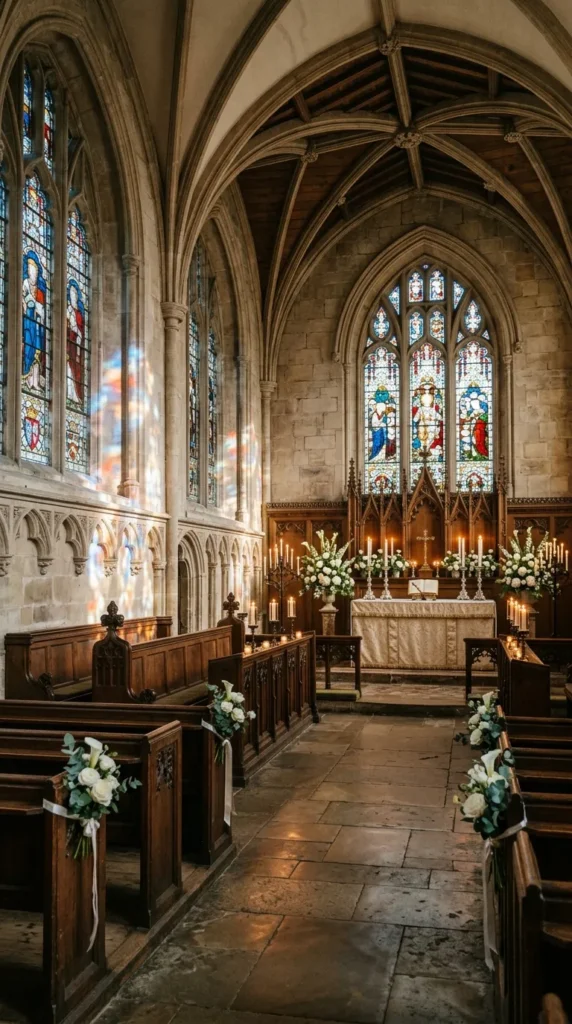
7. Estates with Private Chapels
Private chapels offer something modern venues simply can’t replicate.
Even couples planning non-religious ceremonies often appreciate their incredible acoustics and architectural details.
Keep floral arrangements restrained here. Stone arches, stained glass, and carved wood already provide visual interest, so adding massive installations usually feels unnecessary.
8. Manor Houses with Grand Staircases
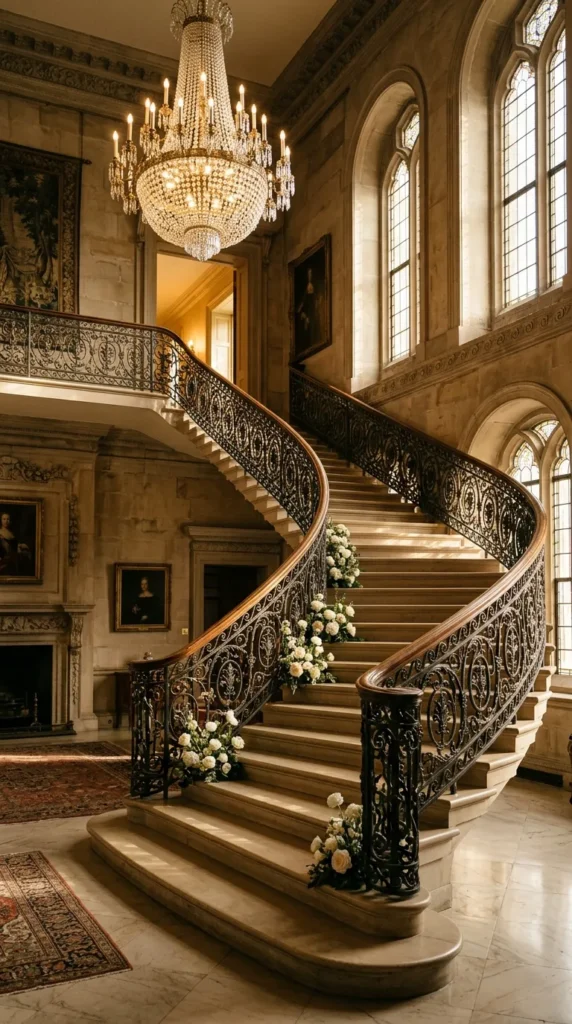
If bridal portraits matter to you, pay attention to staircases—not just ballrooms.
Wide staircases create movement in photographs, especially with cathedral veils or dramatic trains.
One practical note: schedule a dress bustle before cocktail hour if you’re using the staircase repeatedly. Heavy trains become surprisingly difficult to manage after several portrait sessions.
9. Estate Venues with Orangery Receptions
Orangeries blend indoor comfort with garden views.
They’re particularly useful for shoulder-season weddings when temperatures fluctuate throughout the day.
I love combining:
- White hydrangeas
- Lemon trees
- Terracotta pots
- Linen tablecloths
- Antique brass candlesticks
The result feels relaxed rather than overly formal, which suits estate weddings beautifully.
Mistakes Couples Make When Booking Manor Venues
Ignoring Guest Walking Distances
Some estates are enormous.
Your grandparents may not appreciate a ten-minute walk between ceremony and reception spaces.
Booking Before Reading Venue Restrictions
Historic venues frequently have rules regarding:
- Drone photography
- Candles
- Confetti
- Hanging installations
- Furniture movement
Always request the restrictions document before paying a deposit.
Overdecorating Historic Rooms
I’ve honestly seen couples spend thousands hiding the exact features they paid to rent.
If a room already has carved ceilings, original fireplaces, antique chandeliers, and detailed molding, your décor should complement—not compete.
10. Estates Offering Weekend Buyouts
Weekend buyouts have become increasingly popular because they slow everything down.
Instead of rushing through twelve hours, couples spend two or three days celebrating with family.
Think welcome dinners, lawn games, afternoon tea, farewell brunches, and relaxed conversations that wouldn’t fit into a traditional wedding schedule.
For destination guests, this often creates a far more memorable experience than squeezing everything into one evening.
FAQ
Are English manor weddings only suitable for large guest lists?
Not at all. Many historic manors have drawing rooms, libraries, and private gardens that work wonderfully for celebrations of 30 to 80 guests. Smaller weddings often feel more connected because guests can actually experience the property’s intimate spaces.
What’s the best season for an English estate wedding?
Late May through early September usually offers the best balance of garden blooms and daylight. Autumn can also be spectacular if you love changing leaves and richer color palettes, but you’ll want a backup plan for unpredictable weather.
Do historic estates require more decoration?
Usually less. Original stonework, wood paneling, landscaped gardens, and period architecture already provide visual interest. I’d rather invest in excellent lighting and quality flowers than fill every corner with décor.
Should we choose exclusive-use venues?
If your budget allows it, yes. Sharing a historic property with hotel guests or another event can interrupt photography, guest flow, and the overall atmosphere. Exclusive access gives your celebration room to breathe.
My Final Thoughts
If I could give every couple one piece of advice, it would be this: choose an English manor because you genuinely love the property, not because it’s trending on social media. The estates I remember most aren’t always the grandest ones—they’re the places where the architecture, gardens, and celebration felt naturally connected. When a venue already tells a story through its history and design, you don’t need to force a theme. You simply let the house do what it’s been doing for hundreds of years: welcome people in.