How to Wear a Wedding Veil With Different Hairstyles
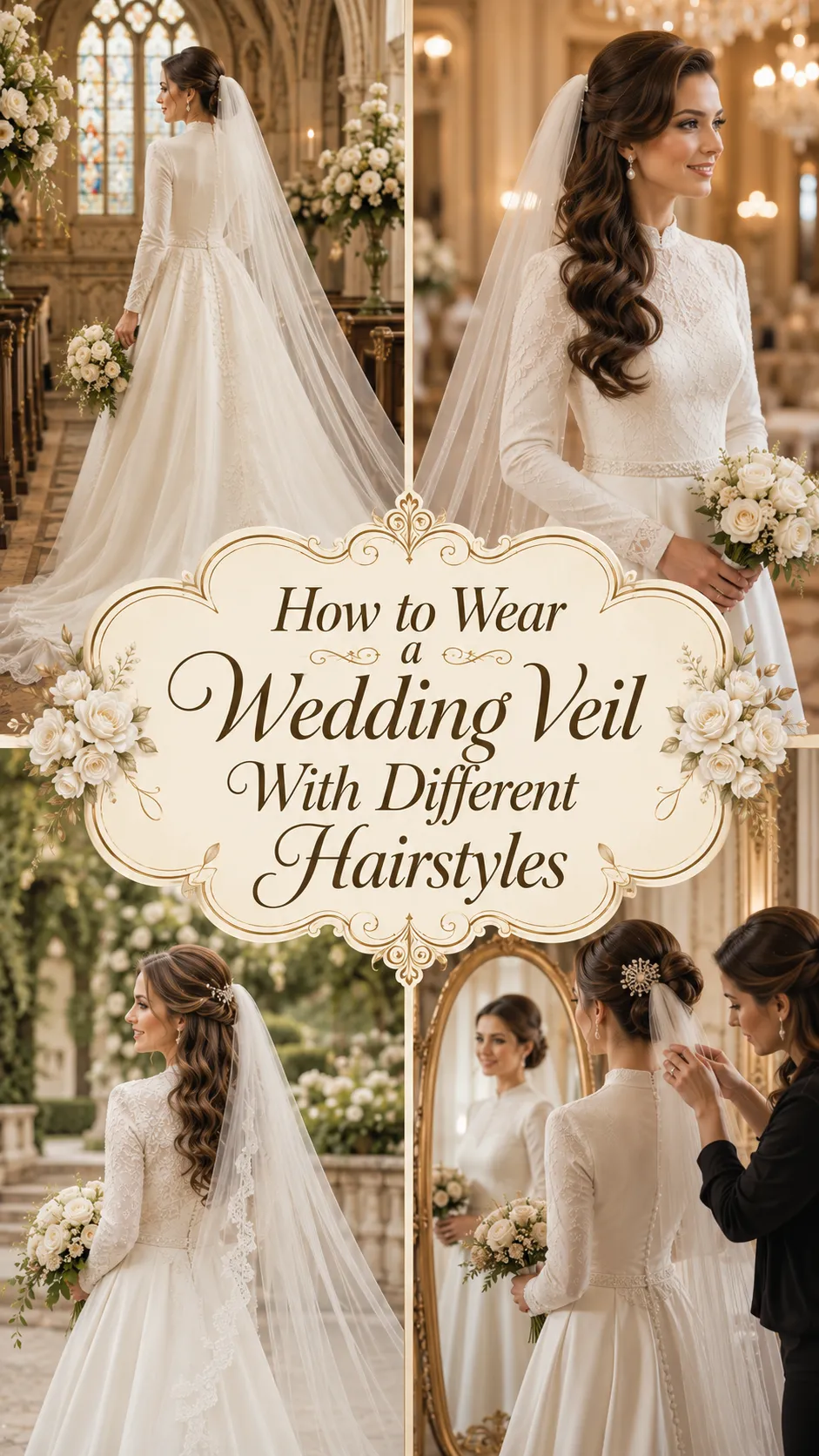
A wedding veil shouldn’t feel like an accessory you simply attach after finishing your hair. When the two are planned together, the veil can frame your face, enhance your hairstyle, highlight your dress, and create beautiful movement in photographs.
The best placement depends on more than hair length. Your hairstyle’s volume, texture, parting, veil length, hair accessories, and even the back of your wedding dress all influence where the veil should sit.
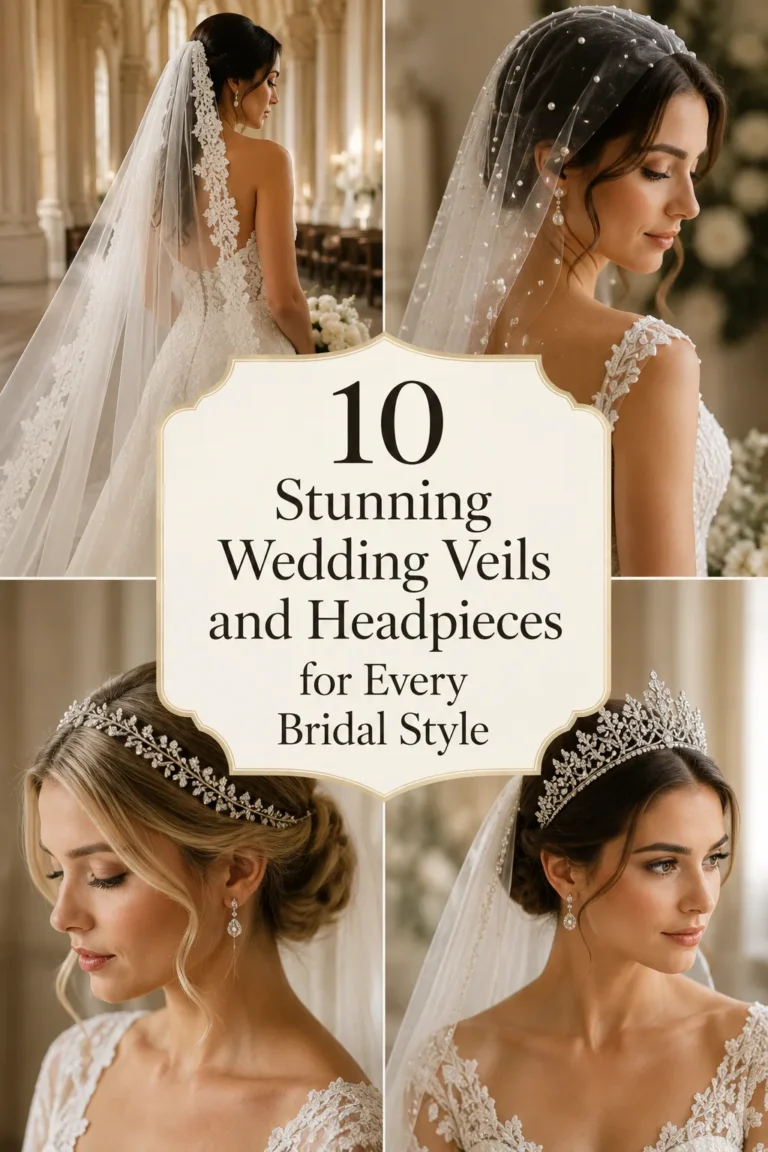
From polished chignons to cascading curls, here are 10 elevated ways to pair your veil with different bridal hairstyles.
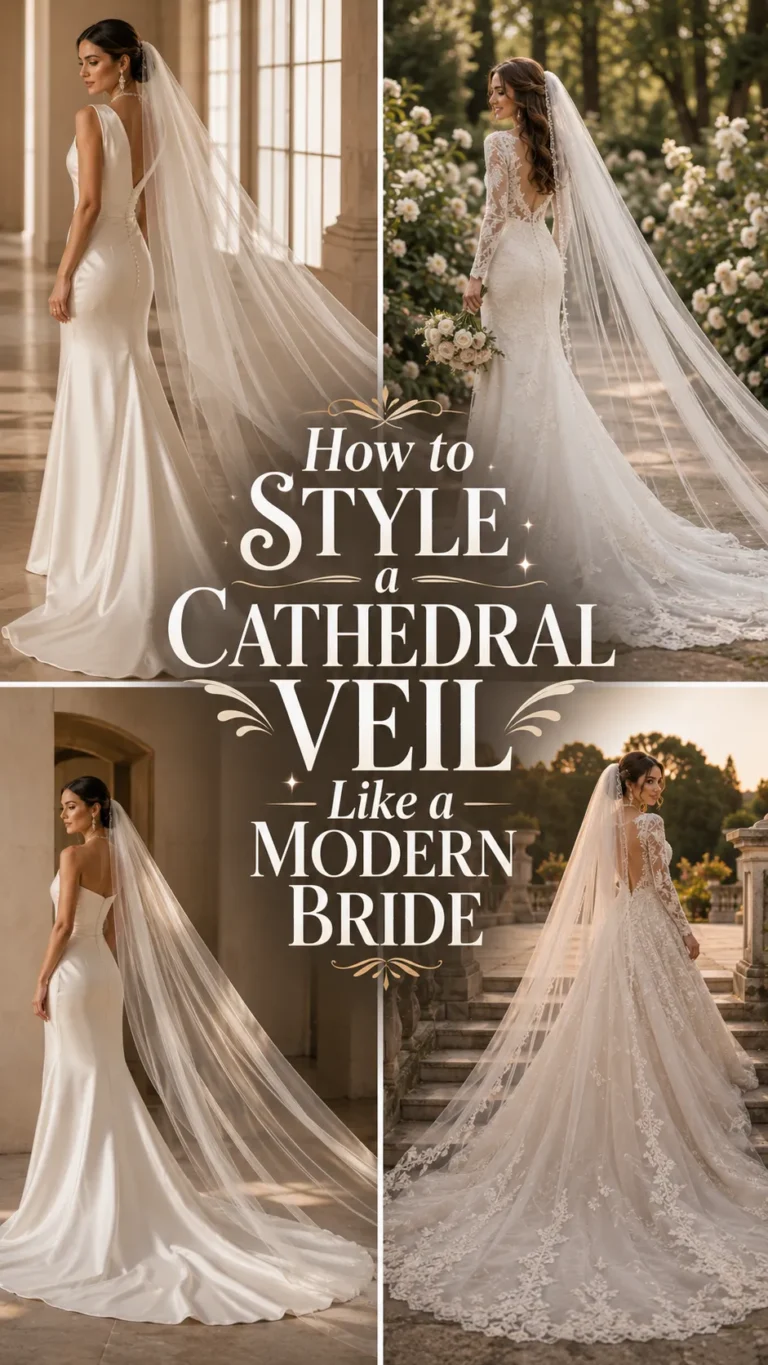
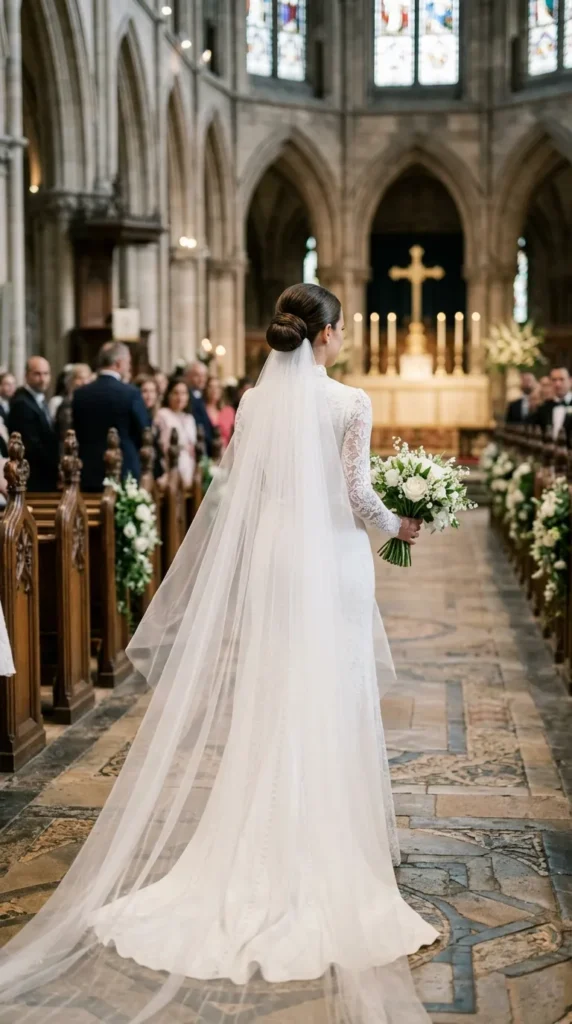
1. Tuck a Cathedral Veil Beneath a Low Chignon
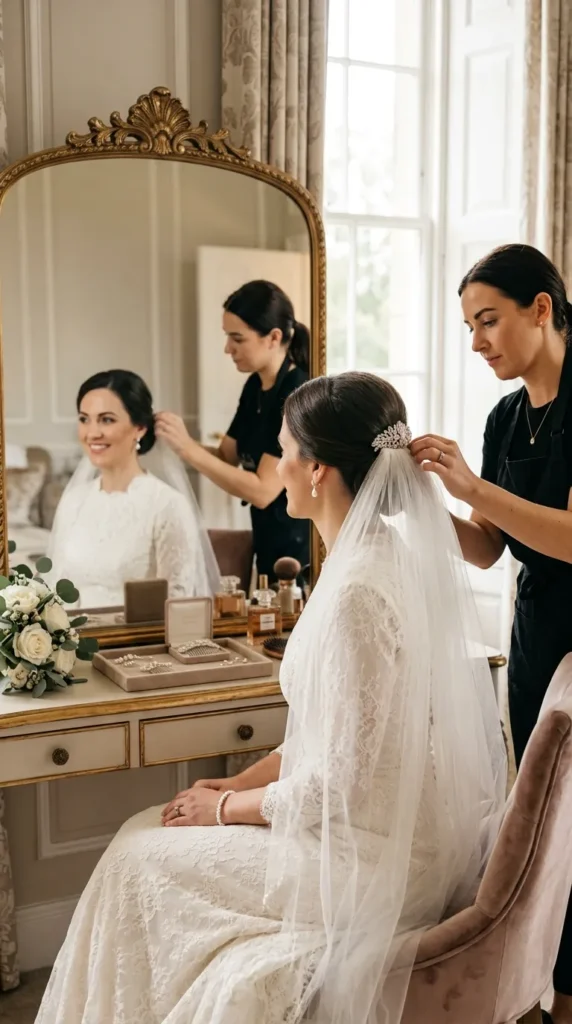
A low chignon creates one of the most elegant foundations for a dramatic veil.
Position the veil just beneath the bun so the hairstyle remains visible while the fabric falls naturally down the back. This placement creates a beautiful distinction between the structured hair and flowing tulle.
A cathedral veil works especially well with gowns featuring a long train because the two layers of movement create a dramatic aisle silhouette.
For a luxurious finish, keep the veil relatively clean if your chignon already includes pearls, crystals, or intricate detailing.
2. Place a Fingertip Veil Over Soft Hollywood Waves
Glossy waves give a veil a distinctly glamorous foundation.
Instead of hiding the waves beneath a heavy veil, position a lightweight fingertip veil slightly behind the crown. This allows the hair to frame the face while the veil adds movement behind the shoulders.
A simple sheer veil works particularly well with this hairstyle because it doesn’t compete with the polished texture of the waves.
Add vintage-inspired earrings for a sophisticated editorial effect.
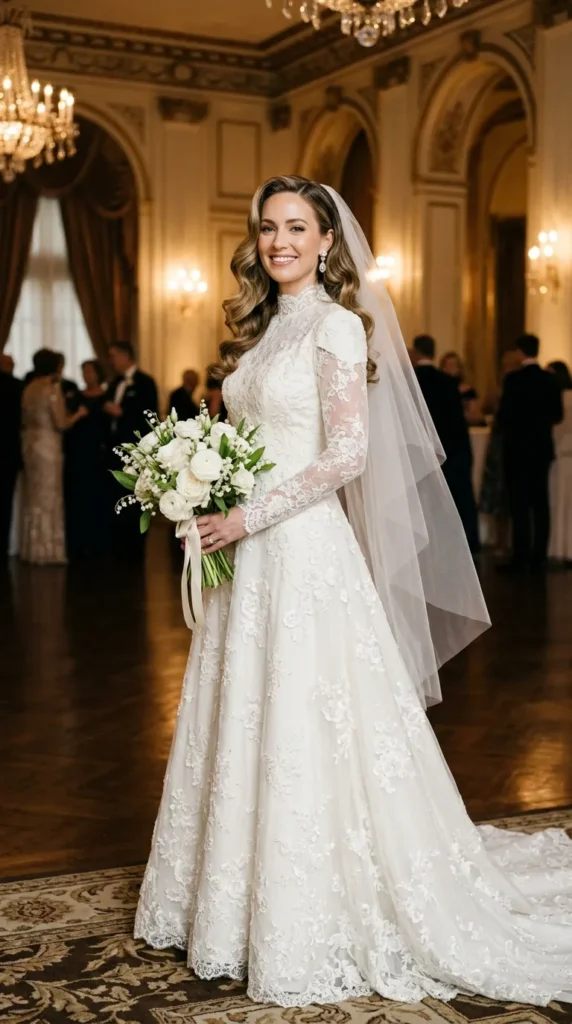
3. Secure a Chapel Veil With a Romantic Half-Up Style
A half-up hairstyle gives you natural structure without taking away the softness of loose hair.
Secure the veil into the pinned section rather than attaching it only to loose strands. This provides greater stability while allowing the remaining hair to flow underneath.
A chapel-length veil creates an especially romantic silhouette with this style.
Soft curls, delicate pearl pins, and a simple lace edge can work beautifully for garden, estate, or romantic ballroom weddings.
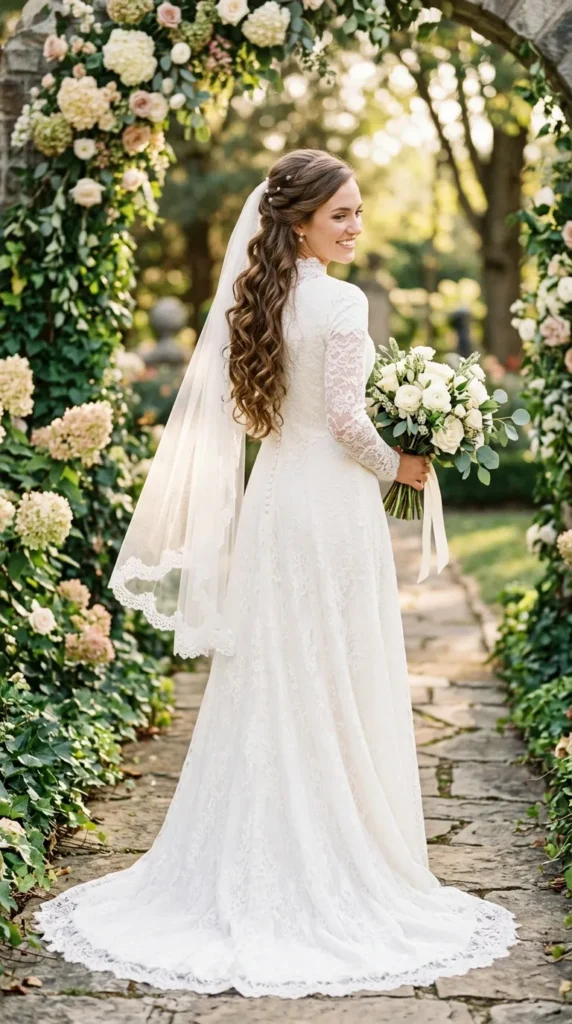
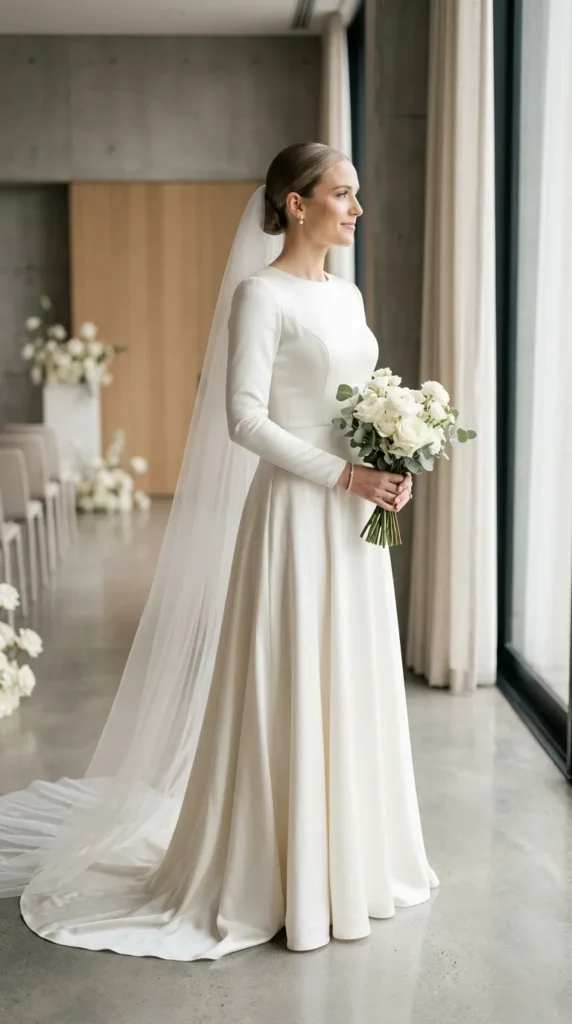
4. Wear a Long Veil Beneath a Sleek Bun
For a contemporary bridal look, contrast a perfectly sleek bun with a flowing veil.
The clean hairstyle creates structure, while the soft tulle introduces movement.
Place the veil underneath the bun and keep the attachment discreet. This allows the fabric to appear almost as though it is emerging naturally from the hairstyle.
This pairing looks particularly striking with minimalist satin gowns and architectural silhouettes.
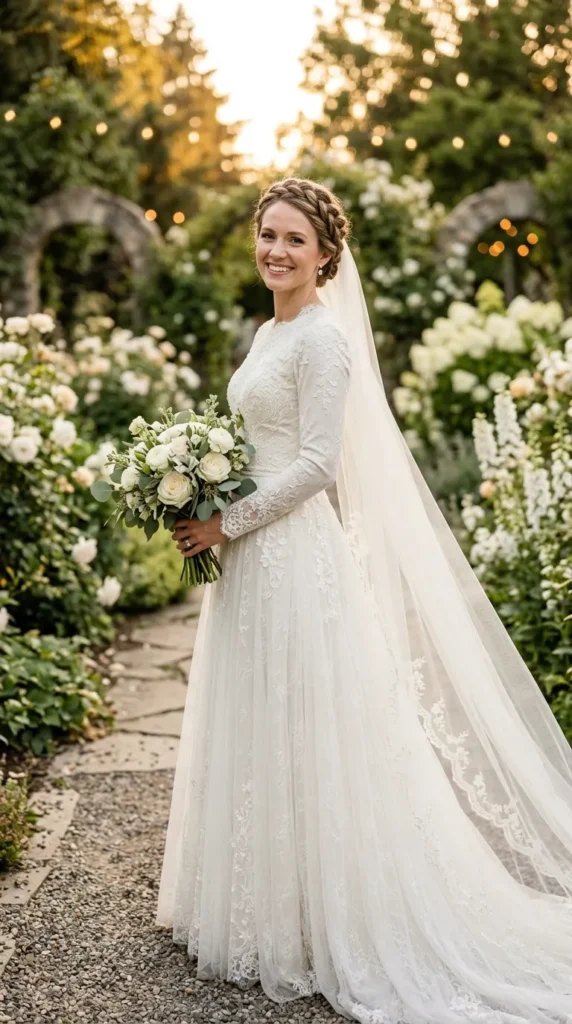
5. Let a Braided Updo Become Part of the Veil Design
A braided updo can add beautiful texture to an otherwise simple bridal look.
Instead of covering the braid completely, secure a lightweight veil beneath or just behind it.
This keeps the hairstyle visible from the front and side while allowing the veil to become the main flowing element at the back.
For a bohemian or garden-inspired wedding, subtle floral embroidery or a delicate lace edge can complement the braid without making the look overly decorative.
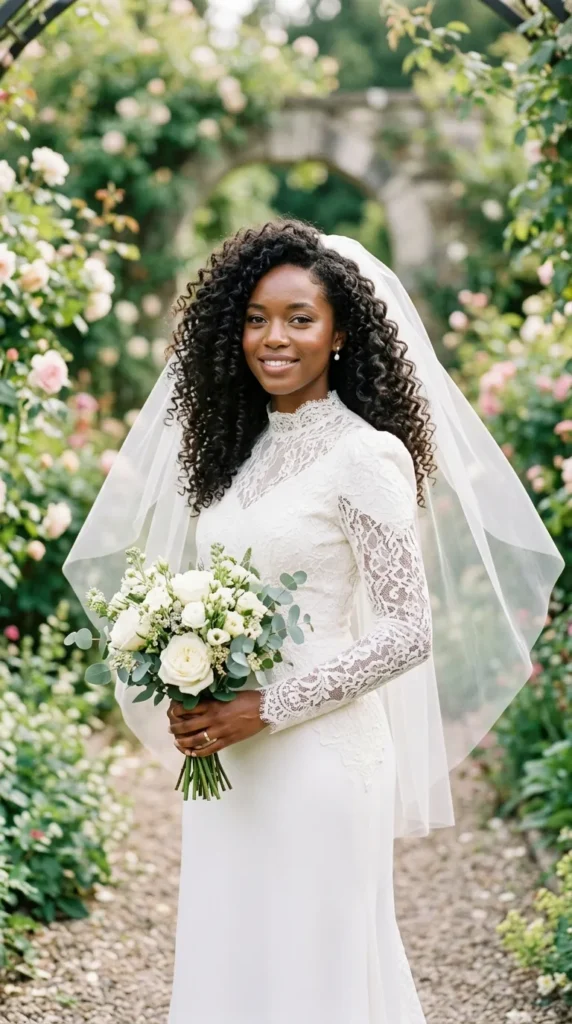
6. Pair Natural Curls With a Lightweight Veil
Natural curls don’t need to be hidden beneath a traditional bridal hairstyle.
A lightweight veil can be positioned behind the crown or secured lower into the hairstyle, allowing the curls around the face to remain completely visible.
The most important consideration is support. Your stylist should make sure the veil is anchored securely without creating unnecessary tension or disturbing your natural curl pattern.
A simple veil is often the best choice when your hair texture is already creating visual interest.
7. Add a Birdcage Veil to Retro Waves
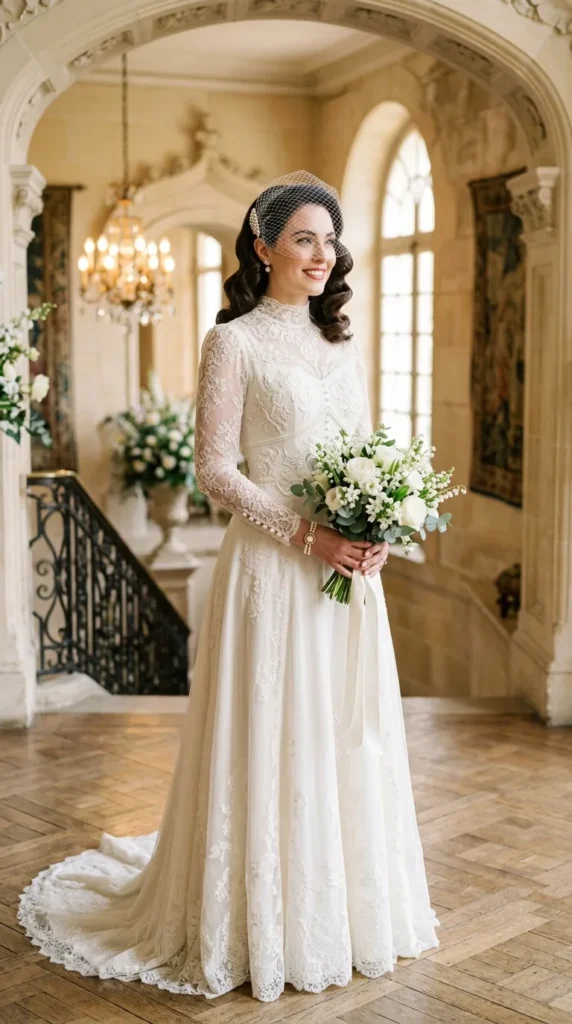
A birdcage veil can transform a classic hairstyle into a sophisticated vintage bridal look.
Pair it with sculpted waves, a polished bob, or softly pinned curls. Position the netting close to the face and allow it to become part of the overall silhouette.
Because this veil style is already distinctive, you can keep the rest of your accessories refined.
Pearl studs, vintage-inspired earrings, or a simple bracelet can complete the look without creating unnecessary competition.
8. Style a Veil With a High Bridal Ponytail
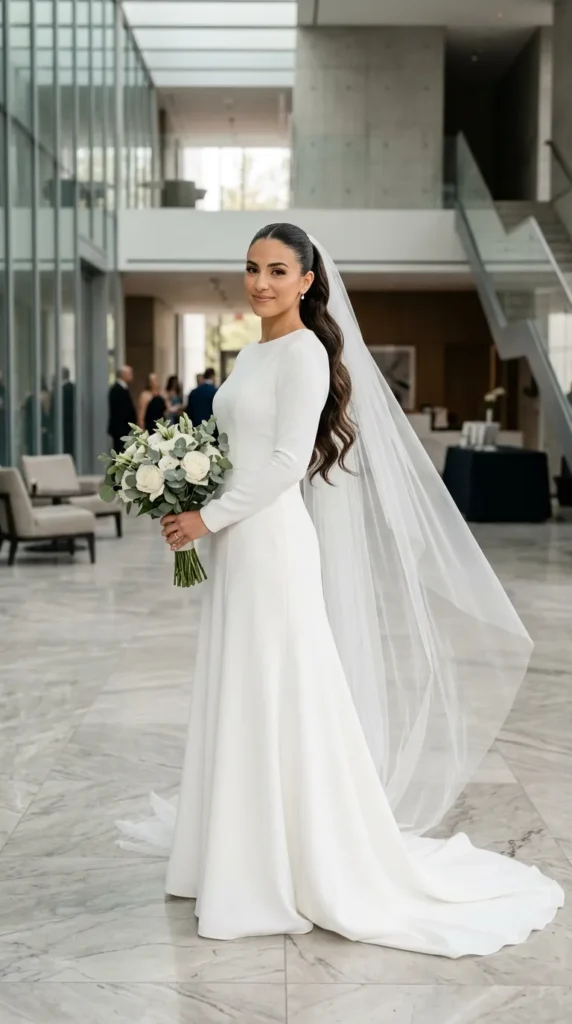
A high ponytail creates a youthful, modern silhouette while still feeling polished enough for a formal wedding.
A lightweight floor-length or cathedral veil can be attached near the crown, allowing the fabric to flow around the ponytail.
For a fashion-forward result, keep the ponytail sleek and the veil completely understated.
For a softer interpretation, add subtle waves to the ponytail and choose a veil with delicate edging.
The contrast between structured hair and flowing tulle makes this combination especially photogenic.
9. Combine a Veil With a Textured Bridal Bun
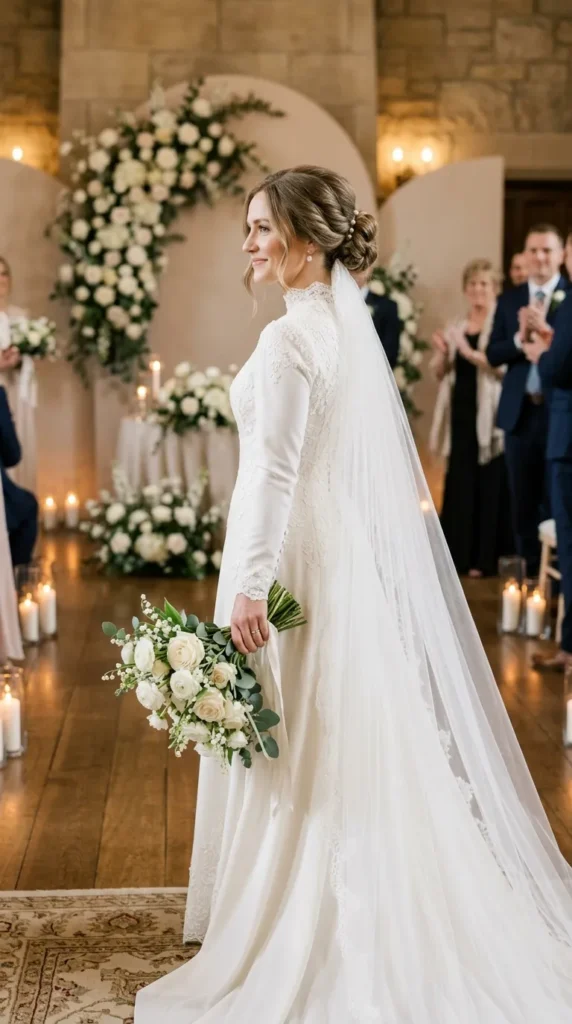
A softly textured bun offers the elegance of an updo without looking overly rigid.
A fingertip or chapel veil can be secured just above or beneath the bun depending on whether you want the hairstyle or veil to dominate the back view.
Leave a few carefully placed pieces around the face if you want a romantic finish, but avoid creating too much loose texture where the veil attaches.
The result should feel intentionally undone rather than messy.
10. Coordinate the Veil Placement With Your Hair Accessories
The veil, hairstyle, and hair accessories should be treated as one composition.
If you’re wearing a tiara, place the veil so it doesn’t cover the most important details. With a decorative comb, the veil can often be secured beneath it for a layered effect.
Pearl pins can disappear beautifully into an updo while remaining visible around the veil’s edge.
During your bridal hair trial, bring your veil, earrings, hair accessories, and a photograph of your dress. Your stylist can then determine the most flattering placement instead of trying to solve everything on the wedding morning.
Conclusion
The perfect veil placement depends on the hairstyle beneath it. Low buns create elegant foundations, loose waves add romantic movement, braids introduce texture, sleek ponytails bring modern drama, and natural curls create an effortlessly beautiful finish.
Don’t choose your hairstyle and veil independently. Consider how they work together from every angle, especially from the back, where your veil and hair will become a major part of your wedding photographs.
And remember: the most beautiful veil placement isn’t necessarily the most complicated one. When the fabric sits securely, complements your hairstyle, and allows your dress and face to remain visible, the entire bridal look feels effortlessly complete.