How to Prep Your Hair Before Your Wedding Day
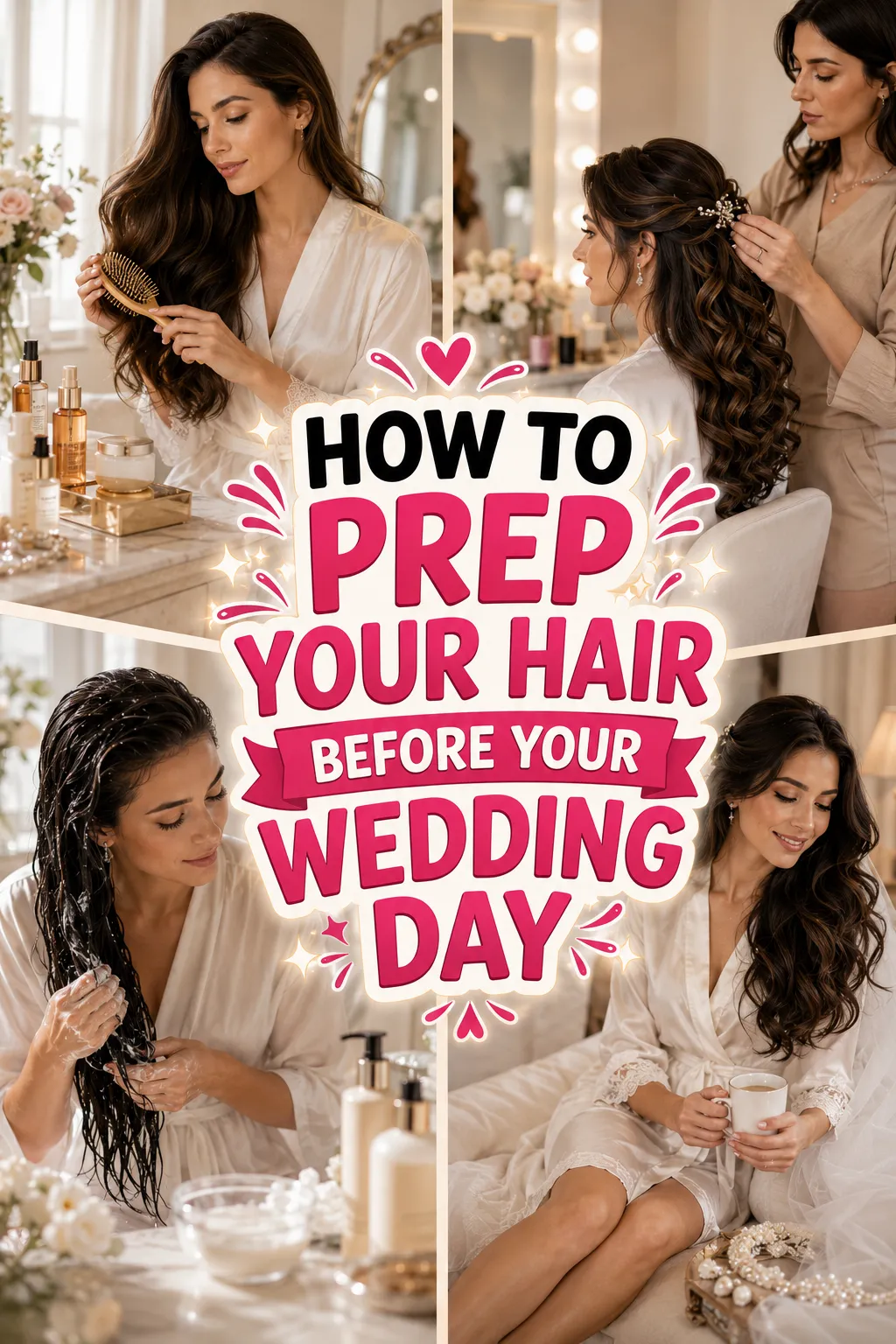
Your wedding hairstyle starts long before the wedding morning. Beautiful bridal hair isn’t just about finding the perfect updo, waves, or half-up style—it’s about preparing your hair so it looks healthy, polished, and easy to work with when the big day arrives.
The best approach is surprisingly simple: start early, avoid unnecessary experiments, and build your routine around your natural hair texture. Whether you’re dreaming of glossy Hollywood waves, a sleek bun, romantic curls, or an intricate bridal braid, thoughtful preparation can make your final hairstyle look more effortless.
1. Start Your Hair Prep Several Weeks Ahead
Don’t leave everything until the final week.
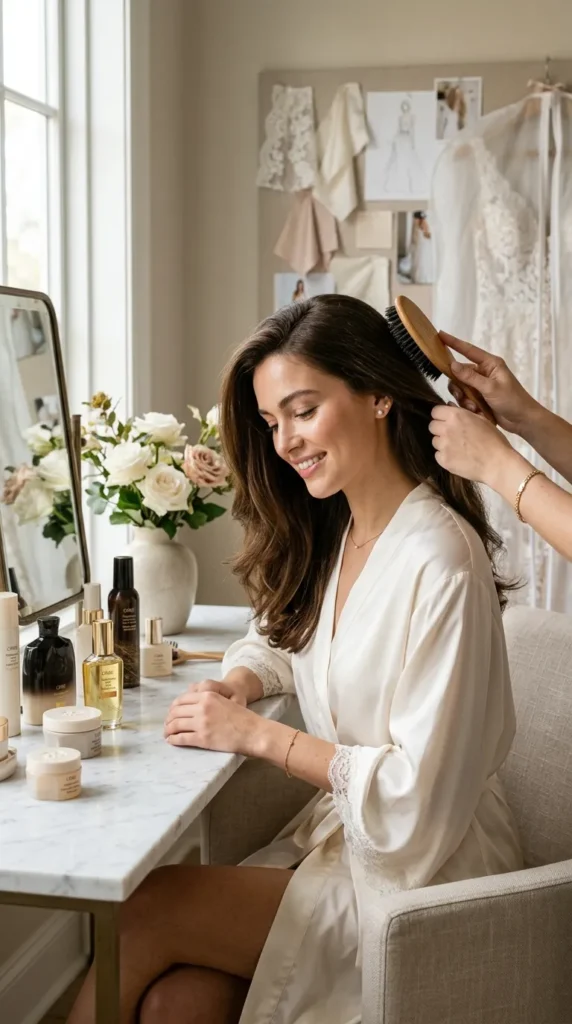
Use the weeks before your wedding to establish a consistent hair-care routine. Focus on keeping your hair clean, conditioned, and manageable rather than suddenly introducing a complicated collection of products.
If you’re considering a haircut, color change, or other salon service, schedule it with enough time for your hair to settle.
Your wedding day isn’t the time to discover that a new treatment doesn’t agree with your hair.
2. Get a Bridal Hair Trial
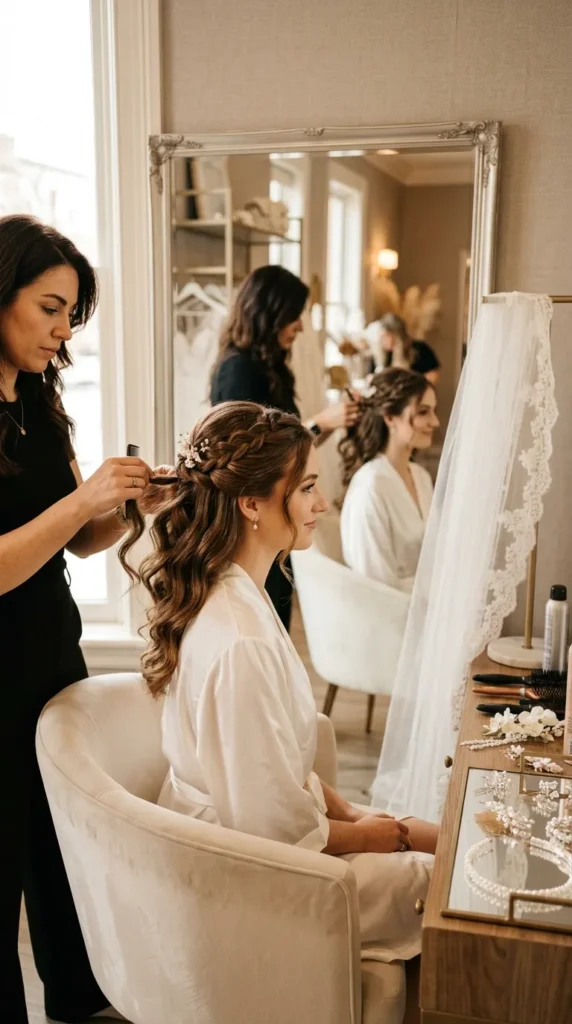
A professional hair trial is one of the most valuable parts of your preparation.
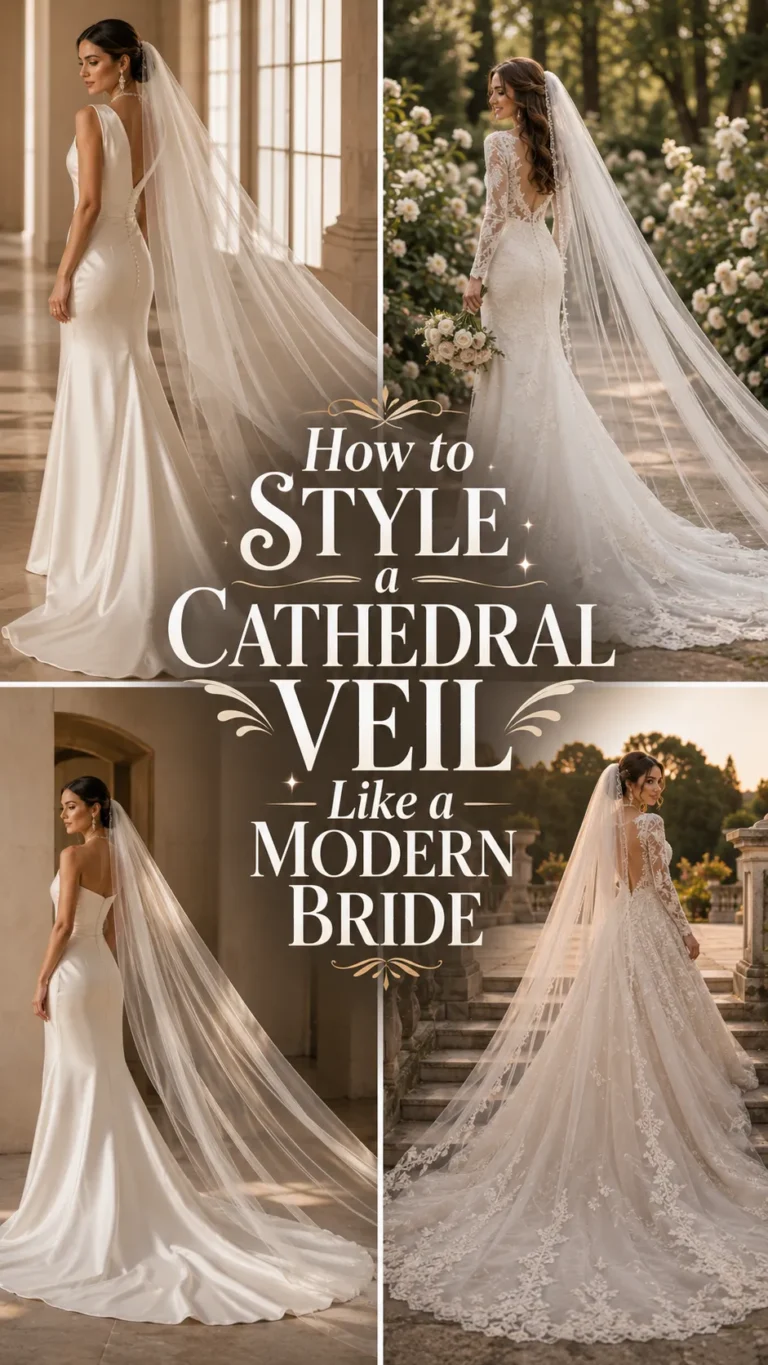
Bring photographs of hairstyles you love, but also show your stylist your wedding dress, veil, and accessories if possible.
Try the complete hairstyle rather than testing only the hair itself.
You want to know how the style looks from the front, side, and back—and whether it remains comfortable after several hours.
A trial also gives your stylist a chance to understand how your hair behaves.
3. Work With Your Natural Hair Texture
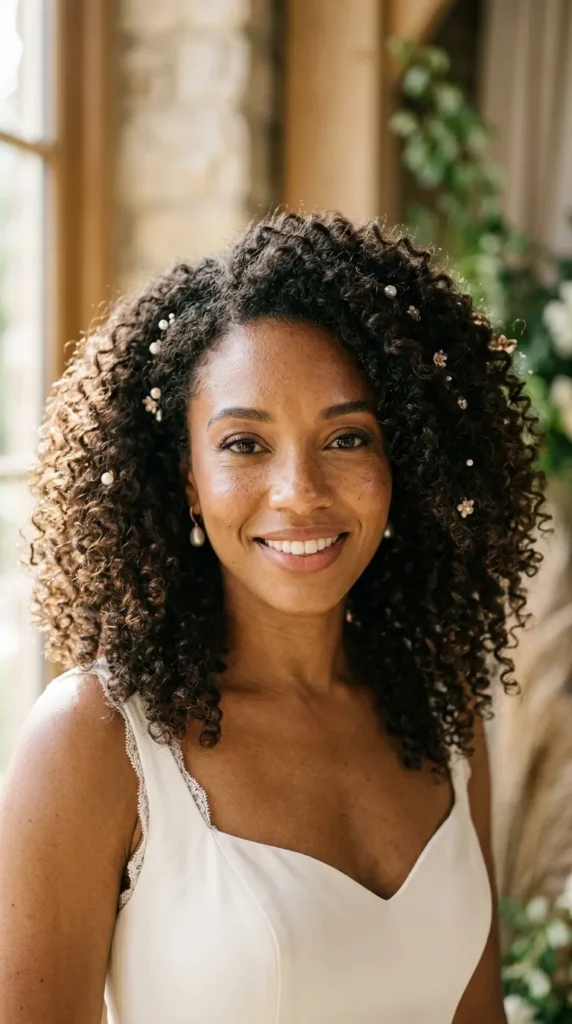
Your natural texture can be your greatest advantage.
Curly hair can create beautiful volume and movement. Naturally wavy hair can be refined into romantic bridal waves. Straight hair can become a sleek bun, polished ponytail, or carefully structured style.
You don’t necessarily need to transform your natural texture completely.
The more your hairstyle works with your hair rather than against it, the easier it may be to maintain throughout the celebration.
4. Don’t Make Dramatic Changes Too Close to the Wedding
A completely new haircut or color can be tempting, especially when you’re looking for a fresh bridal look.
But dramatic changes require time to adjust.
If you want to experiment, do it well ahead of the wedding so there’s time to correct anything you don’t love.
For the final weeks, prioritize predictability.
Your stylist should already know exactly how your hair behaves and what products work well with it.
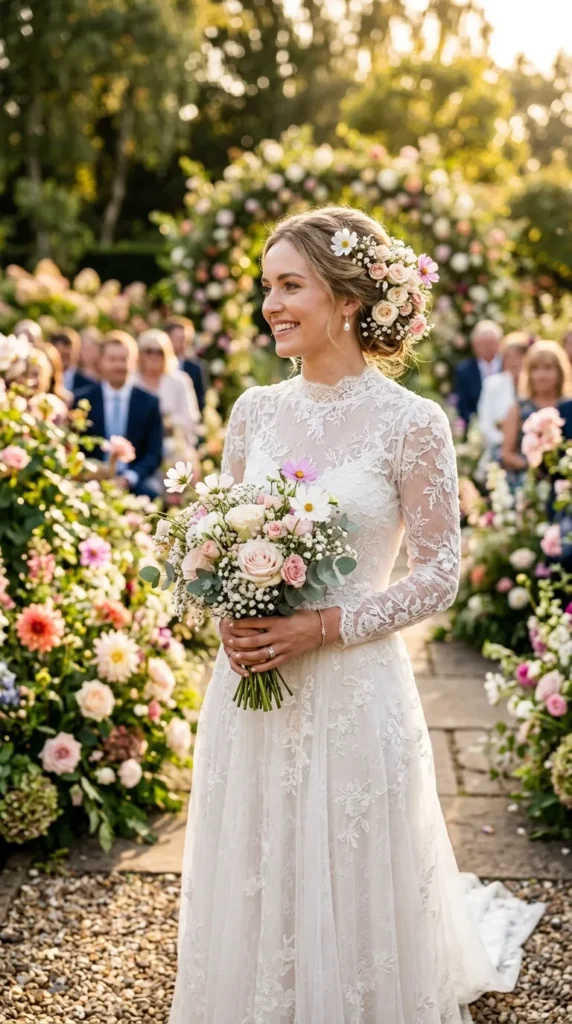
5. Keep Your Hair Properly Conditioned
Healthy-looking hair provides a beautiful foundation for almost any bridal hairstyle.
Use a conditioner appropriate for your hair type and pay attention to areas that feel particularly dry or damaged.
If you use heat styling regularly, consider appropriate heat protection and avoid unnecessary styling when your hair doesn’t need it.
Don’t suddenly overload your hair with heavy oils or treatments immediately before the wedding. The goal is soft, manageable hair—not hair weighed down by product.
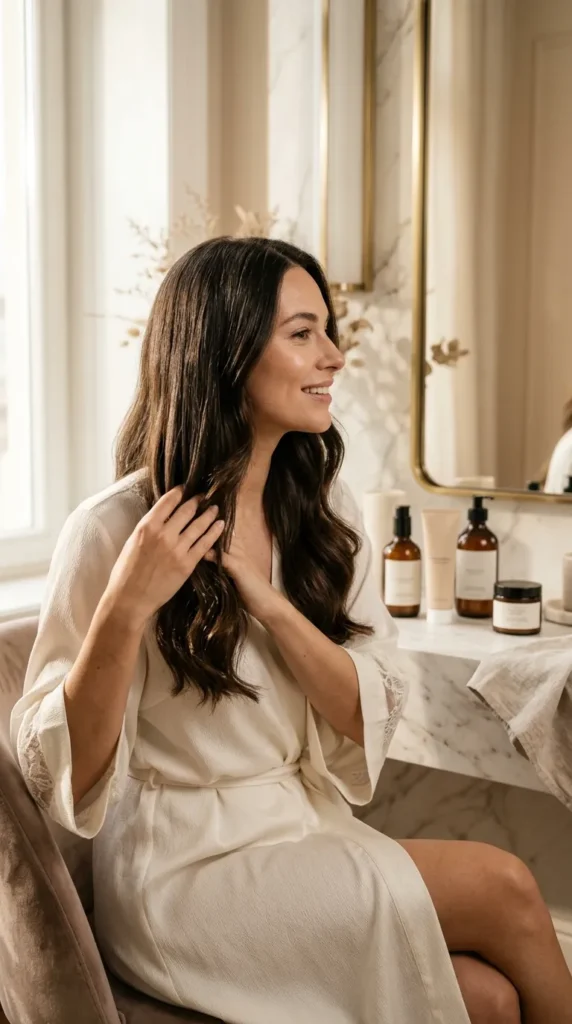
6. Trim Split Ends When Needed
If your ends look dry or uneven, a small trim can make a noticeable difference.
Healthy-looking ends can make waves, curls, braids, and sleek hairstyles appear more polished.
However, avoid requesting a major haircut right before the wedding unless you’ve planned for it.
Tell your stylist exactly how much length you want to preserve, particularly if your chosen hairstyle depends on having enough hair for a bun, braid, or long waves.
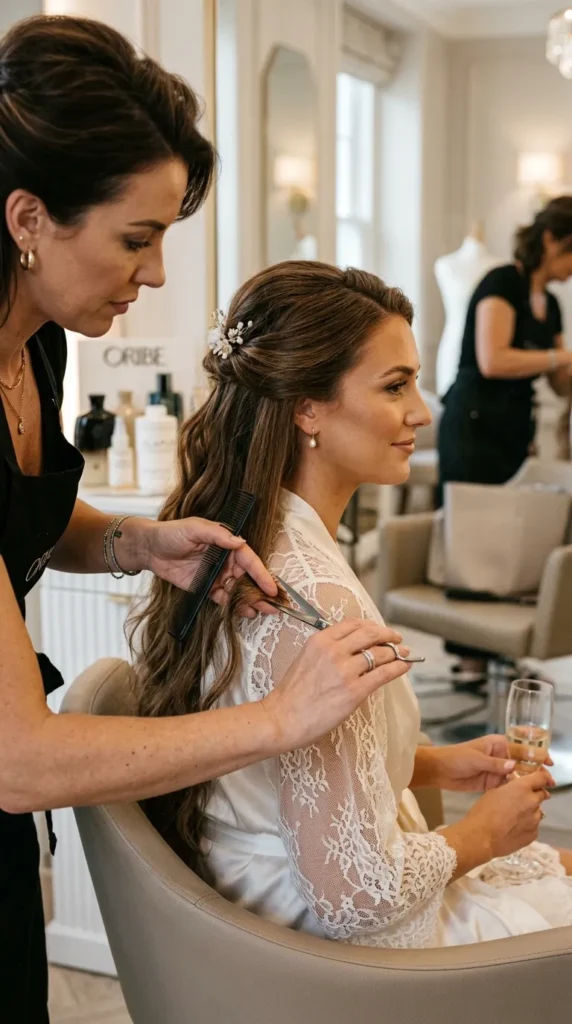
7. Plan Your Hair Color in Advance
If you color your hair, timing matters.
Avoid making a major color change immediately before your wedding unless you’ve already tested the shade and know exactly what you want.
Schedule your final color appointment with enough time for the shade to settle and for any unexpected issues to be corrected.
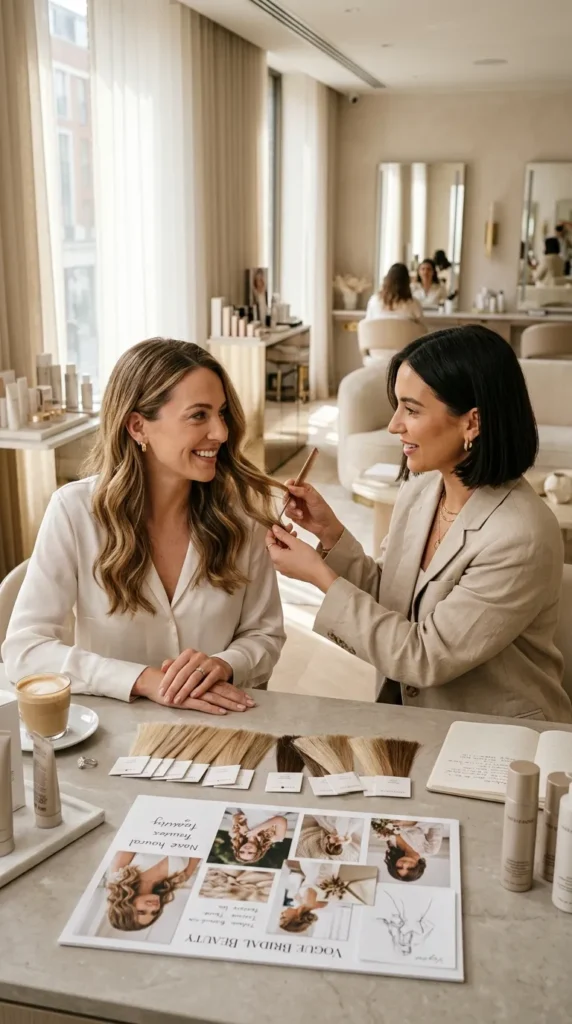
Bring reference photographs and communicate clearly with your colorist about the finish you’re looking for.
8. Follow Your Stylist’s Washing Instructions
There is no universal rule that every bride should wash or avoid washing her hair the day before the wedding.
Different hairstyles and hair types require different preparation.
Fine hair may need a different approach from thick or curly hair. Some styles benefit from particular levels of texture or grip, while others require freshly washed hair.
Ask your hairstylist exactly when they want you to wash your hair and which products to use.
Following their instructions is more reliable than following generic wedding advice.
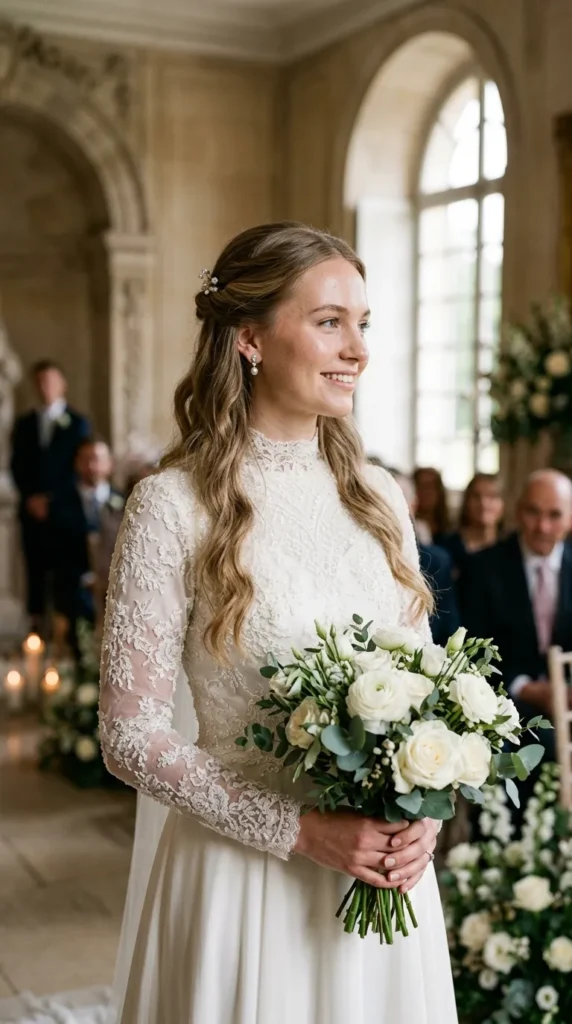
9. Protect Your Hair From Excessive Heat
Constant heat styling can leave hair looking dry and make it more difficult to create a polished bridal finish.
In the weeks before the wedding, minimize unnecessary heat whenever practical.
When you do use heated tools, follow appropriate heat-protection practices and use settings suitable for your hair type.
Your wedding hairstyle should begin with hair that looks healthy—not hair that has been repeatedly stressed in pursuit of perfection.
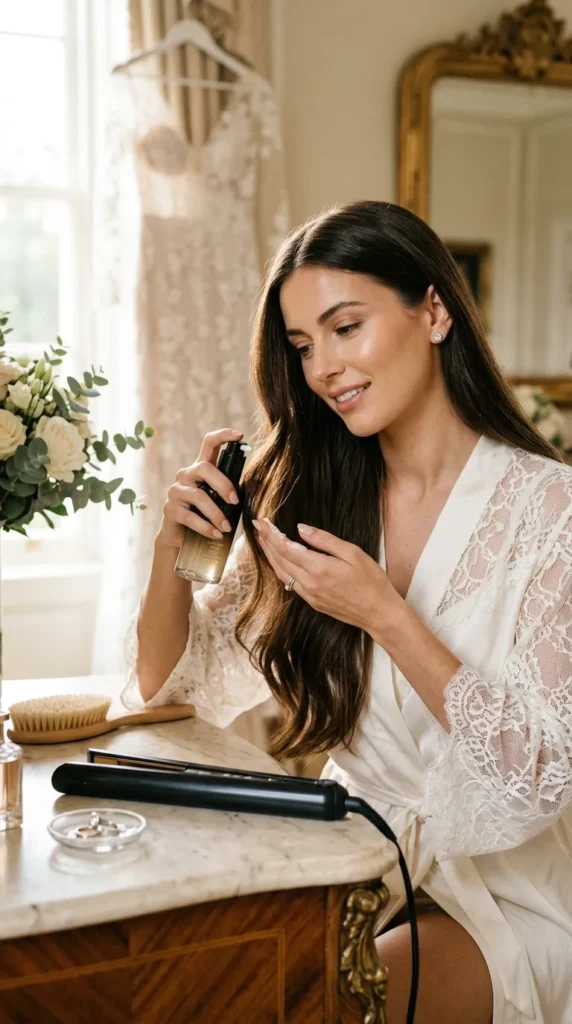
10. Prepare for Your Veil and Accessories
Your hairstyle and accessories need to work together.
Bring your veil, tiara, comb, pins, or other important accessories to your hair trial.
Your stylist can determine where everything should be positioned and how securely it needs to be attached.
This is particularly important if you’re wearing a long or heavy veil.
You don’t want to discover on the wedding morning that your chosen hairstyle doesn’t provide a stable foundation for your accessories.
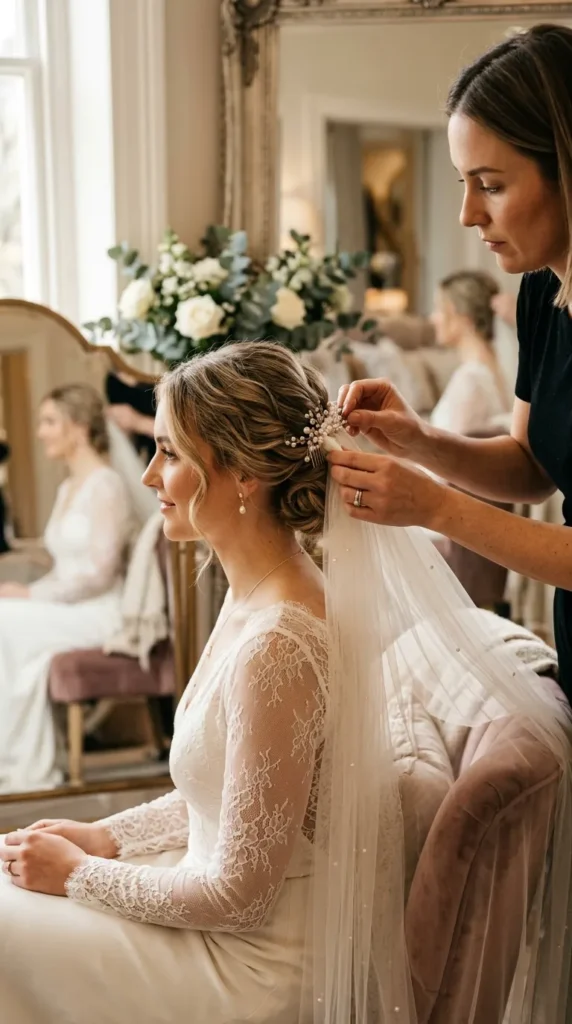
11. Consider the Wedding Weather
Your hair preparation should reflect the environment.
A humid summer wedding may require stronger frizz control and a hairstyle with more structure. A windy beach ceremony may benefit from a secure bun or braided style.
For an outdoor wedding, tell your stylist about the expected conditions.
They can help you choose products and techniques that provide longevity without making the hair look stiff.
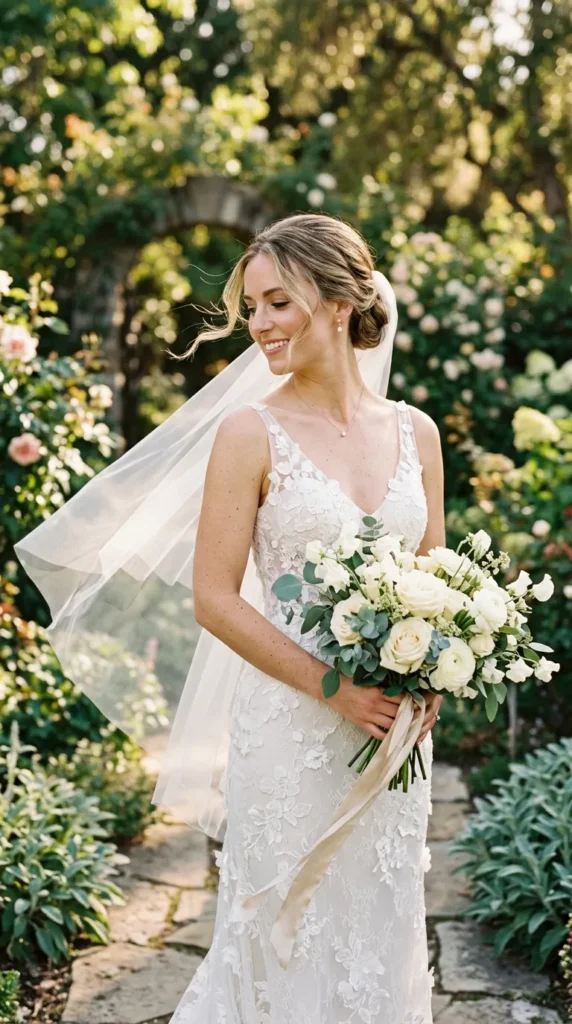
12. Keep the Final Week Simple
The final week is about maintaining what you’ve already established.
Avoid unnecessary experimentation with new shampoos, treatments, coloring products, or complicated styling routines.
Keep your hair comfortable and follow the plan you developed with your stylist.
Most importantly, don’t obsess over tiny imperfections.
A few natural flyaways or strands of movement can make bridal hair look softer and more authentic in photographs.
Conclusion
Preparing your hair before your wedding day is less about achieving perfection and more about creating a reliable foundation for your chosen hairstyle.
Start early, schedule a proper hair trial, maintain healthy-looking hair, work with your natural texture, plan your color and trim in advance, and test your veil and accessories with the complete hairstyle.
By the time wedding morning arrives, you shouldn’t be experimenting—you should already know what works.
The result is hair that feels polished, comfortable, and beautifully suited to one of the most photographed days of your life.